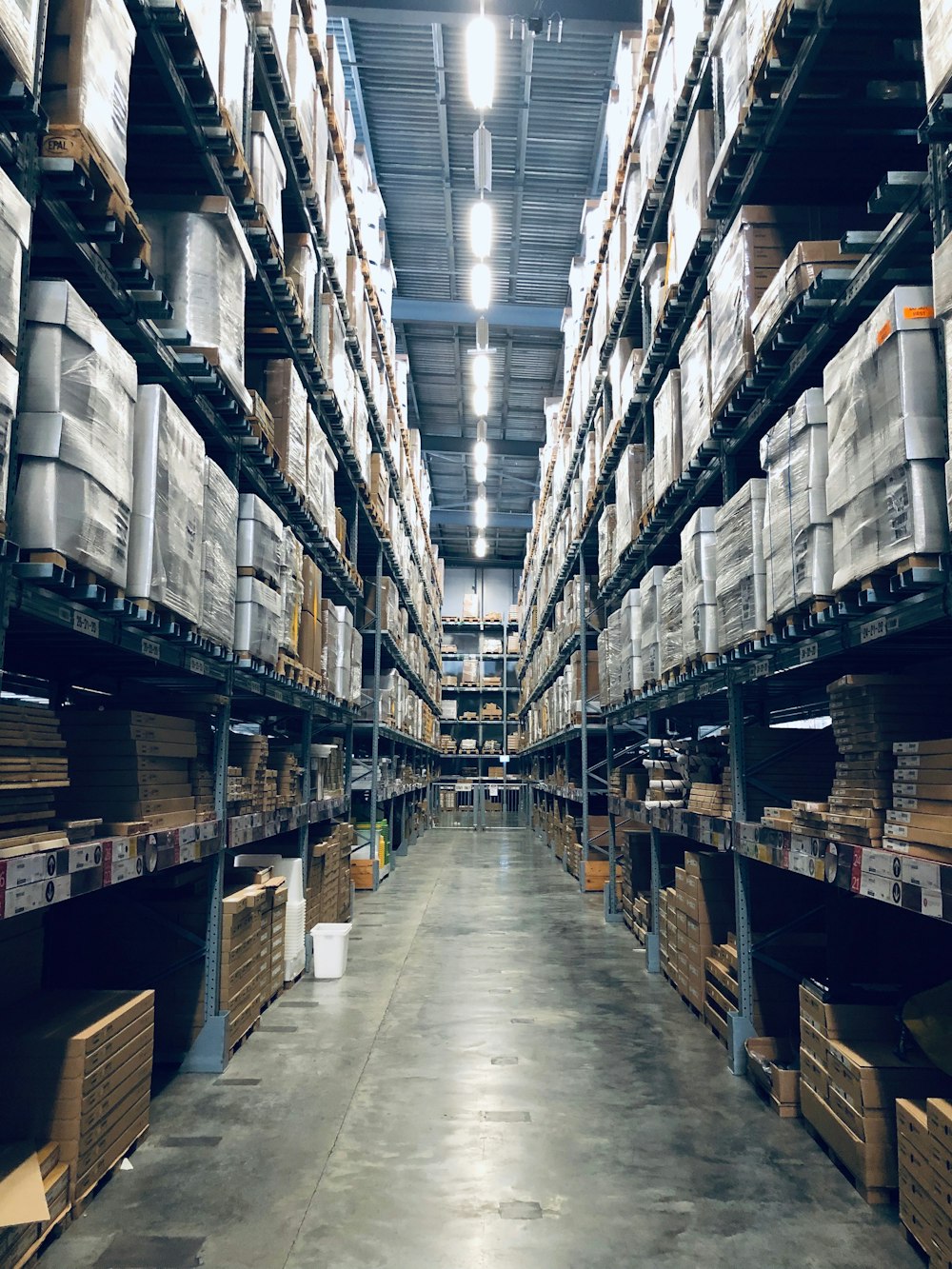
Modern distribution center interior with conveyor systems and pallets

Keep Critical Cargo Safe From Origin to Destination.

Train with the systems that power pharmaceutical, food, and high-value cold-chain logistics across North America.

Explore Cold-Chain Training
Worker scanning packages in a temperature controlled warehouse

Precision Logistics for a Connected Supply Chain

At Atlas Cold Chain Institute, students master the management of temperature-sensitive cargo using intelligent monitoring systems, IoT sensor networks, and AI-driven route optimization. Our curriculum bridges the gap between refrigerated operations and predictive analytics.

  • Real-time temperature anomaly detection
  • Pharmaceutical GDP-compliant workflows
  • Automated HACCP reporting integrated with transport TMS

Training Programs

Four specialized tracks designed for industry entry. Graduate with hands-on competency in the systems that move refrigerated cargo.

Temperature Intelligence

Learn sensor calibration, thermal mapping, and automated alert protocols for warehouse and transport environments.

Pharmaceutical Logistics

Understand GDP guidelines, validated packaging, risk assessment, and chain-of-custody documentation for vaccines and biologics.

Refrigerated Transport

Route thermal profiling, refrigeration unit telematics, pre-cooling SOPs, and cross-dock transfer best practices.

Smart Warehousing

WMS integration, zone-based cooling automation, order-picking in chilled environments, and inventory quality gates.

Logistics Lab

Simulated environments. Real-world constraints. Test cold-chain decisions before they reach the highway.

White refrigerated truck parked at a distribution loading bay
Frozen

Montreal Poultry Export

Cargo Type
Raw poultry portions
Temperature Range
−18 °C to −15 °C
Challenge
48-hour border crossing with customs delay potential
Monitoring Solution
Dual-channel logger with GSM backup at −20 °C fallback
Chilled

Atlanta Dairy Distribution

Cargo Type
Fresh milk and soft cheeses
Temperature Range
1 °C to 4 °C
Challenge
Multi-drop urban delivery in summer heat
Monitoring Solution
Cabin-top solar sensor array with door-open alerts
CRT

Florida Vaccine Run

Cargo Type
Influenza vaccine pallets
Temperature Range
2 °C to 8 °C
Challenge
Rapid response with passive-coolant backup failure
Monitoring Solution
Phase-change buffer and real-time API feed to state registry
Frozen

Great Lakes Seafood Express

Cargo Type
Atlantic salmon fillets
Temperature Range
−23 °C to −20 °C
Challenge
Intermodal transfer from reefer truck to rail
Monitoring Solution
Blockchain-tracked custody with tamper-evident BLE tags
Ambient Cool

California Produce Hub

Cargo Type
Avocados and leafy greens
Temperature Range
4 °C to 10 °C
Challenge
Ethylene-sensitive mixed loads in consolidation warehouse
Monitoring Solution
Zone-separated airflow control with tri-gas sensing
Ultra-low

Texas Biologics Courier

Cargo Type
CAR-T cell therapy kits
Temperature Range
−150 °C to −120 °C (LN₂ vapor)
Challenge
Emergency same-day delivery with zero excursion tolerance
Monitoring Solution
LN₂ level telemetry and redundant driver paging system

Live Temperature Dashboard

Route Optimization

Planned route from Atlanta hub to pharmacy destinations DC Hub Delivery
Optimized Distance 312 mi
Est. Fuel Savings 18.3 gal
Thermal Stability ±0.4 °C

Cold-Chain Process Timeline

01

Origin Pre-Cool

Cargo is brought to target temperature in a blast or walk-in cooler before loading to eliminate thermal lag.

02

Conditioned Loading

Docks are sealed; reefer units run in continuous mode. Gel-pack or phase-change panels are added as insurance.

03

En-Route Monitoring

IoT loggers stream GPS, humidity, and shock data every 60 seconds. AI flags excursions before they breach limits.

04

Cross-Dock / Temporary

Staging areas maintain chain-of-custody. Automated gates reject pallets that spent more than 8 minutes ambient.

05

Final Delivery & Receipt

Digital proof-of-delivery captures temperature summary. Smart contracts release payment upon confirmed integrity.

Operational Case Studies

Atlas students modeled a suburban pharmacy route using real AVA data. By switching to a two-stage passive container with telemetry, excursion rates dropped from 4.2% to 0.3% during August heat waves.

Using vibration and compressor-cycle data, the logistics lab built a gradient-boosting model to forecast reefer failure 36 hours in advance. Fleet downtime decreased by 22% in simulated fleet data.

When ambient forecasts spike, standard routes risk thermal overload. Our simulation recalculated motorway priorities to favor tunnels and shaded corridors, maintaining ±1 °C on cross-country produce loads.

Enrollment

Applications are reviewed on a rolling basis for upcoming cohorts in Atlanta.
Modern Atlanta office building exterior
Address
225 Peachtree St NE
Atlanta, GA 30303
USA
Office Hours
Mon–Fri: 08:00 – 17:00 EST

Apply to the Institute

We respect your privacy. No data is transmitted or stored in this demo.